Introduction: Why bathroom decor matters
Your bathroom decor sets the tone for daily rituals, comfort, and even resale value. Thoughtful choices of color, texture, lighting, and storage can transform a utilitarian room into a calm retreat. This guide draws on professional design principles—balanced color theory, durable materials, and thoughtful layouts—to help you achieve a cohesive look that lasts.
Key Trends in Bathroom Decor
Current trends emphasize durable materials, matte finishes, and biophilic touches. Terrazzo surfaces, large-format tiles, floating vanities, and warm metallic accents are popular. Greenery softens the space and improves mood, while statement mirrors add personality. These trends can be mixed with your existing fixtures for a timeless feel rather than a fast-fading look.
Color and Texture: Crafting the Palette
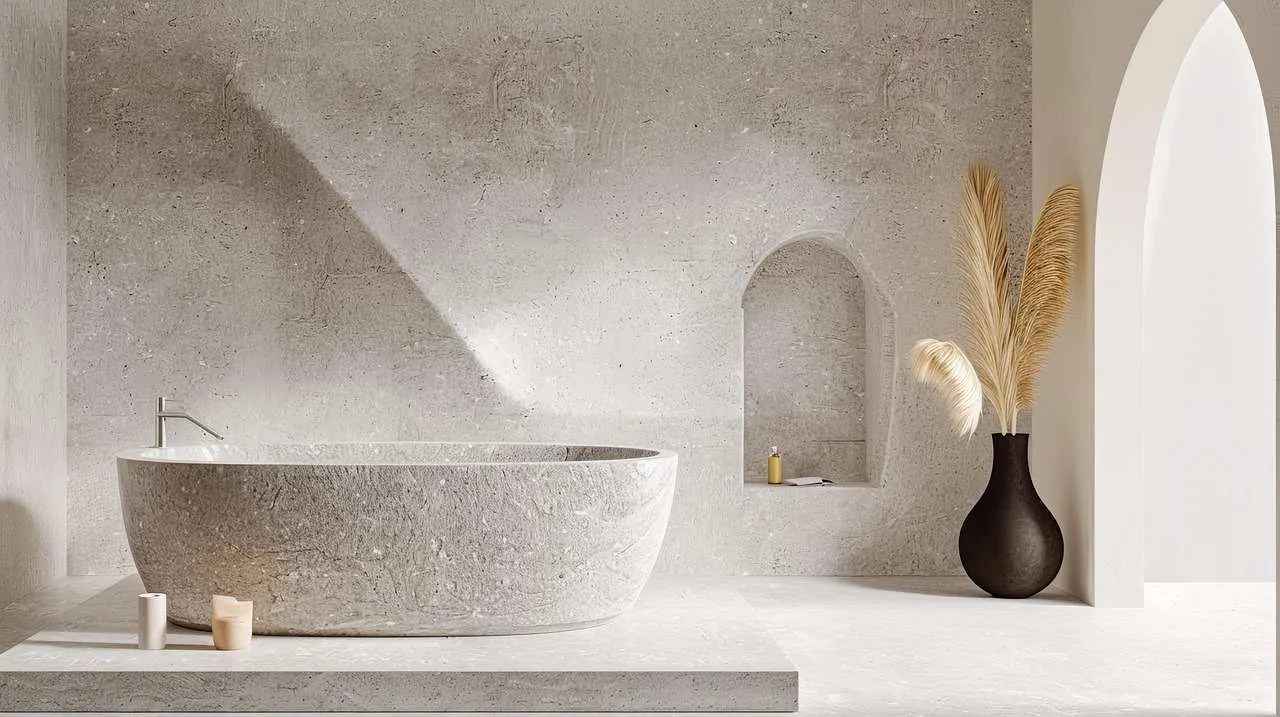
Neutrals like warm beige, soft gray, and ivory create serene backdrops. Add contrast with charcoal or navy accents. Introduce texture through natural stone, wood-look tiles, woven baskets, and tactile towels. In small bathrooms, use a single bold accent color (for example, a forest-green towel or a cobalt vanity drawer) to anchor the design without overwhelming the space.
Styles to Consider
Modern Minimalist
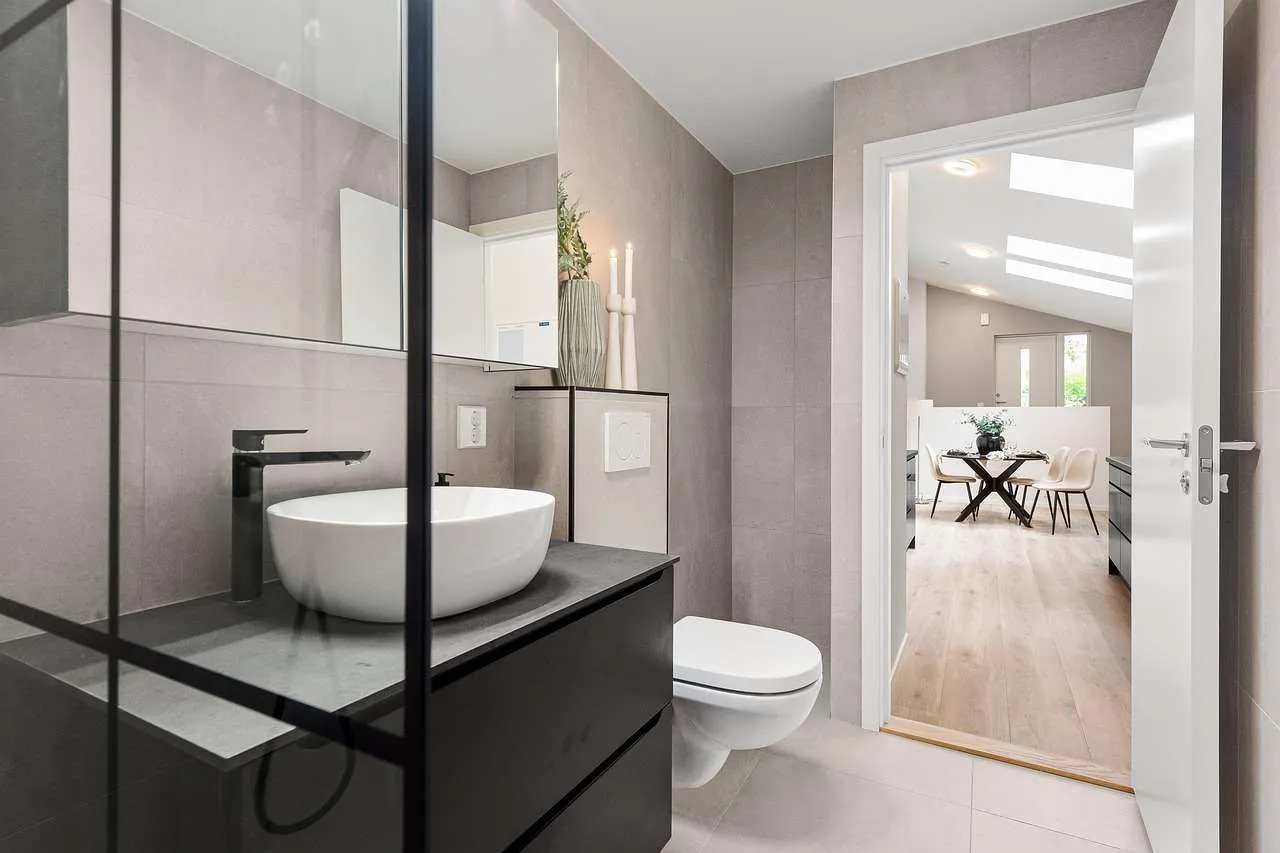
Clean lines, concealed storage, and monochrome palettes with subtle warmth. Materials like concrete, glass, and stone pair with matte metals.
Traditional / Classic
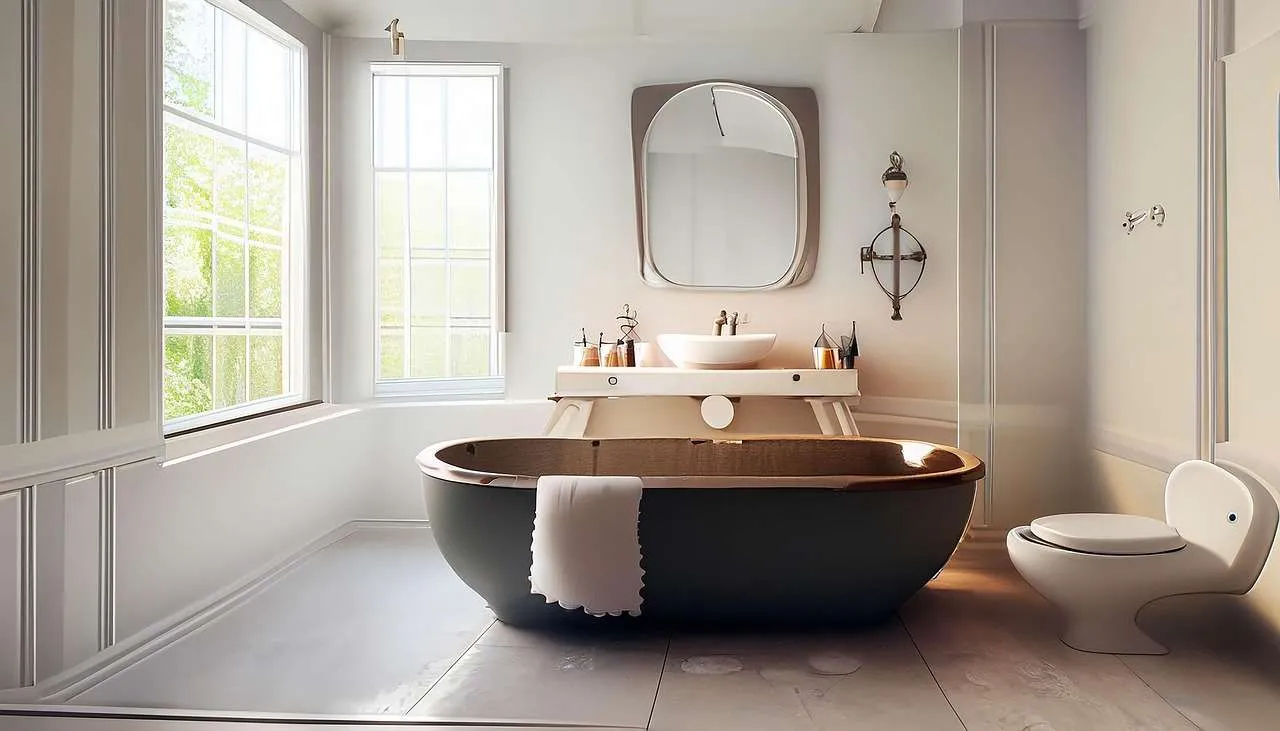
Timeless patterns, paneled vanities, and brass or gilt hardware create elegance. Use subway tiles and gentle lighting to preserve a sense of refinement.
Coastal / Nautical
Light blues, whites, and natural textures evoke beaches and breezes. Woven textures, driftwood-toned woods, and nautical-inspired accents support this look.
Industrial
Exposed plumbing-inspired details, metals, and darker tones balanced with warm textures prevent a cold feel. Consider open shelving and brick or tile backdrops.
Material and Lighting Considerations
Choose moisture-resistant materials: porcelain, ceramic, quartz countertops, and solid-surface sinks. Lighting should layer ambient, task, and accent lighting: overhead fixtures for general brightness, vanity lights for grooming, and subtle LEDs under cabinets for depth.
Storage and Organization as Part of Decor
Storage is decor-friendly when integrated into design. Floating vanities, recessed niches for toiletries, and attractive baskets keep essentials accessible yet tidy. Closed storage reduces visual clutter, while open shelving can display stylish bottles and greenery.
Budget-Friendly Decor Ideas
You can refresh a bathroom without a full remodel. Repaint walls, swap hardware, replace the shower curtain and towels, and add a few plants. Thrifted frames, a new mirror, or a cost-effective vanity update can deliver a big impact with careful selection.
Shopping Guide: Quick Comparison
| Item | Why it works | Typical cost | Notes |
|---|---|---|---|
| Vanity | Defines storage and style | 200–1500 | Look for water-resistant finishes |
| Lighting | Improves function and mood | 50–300 | Choose warm color temperature |
| Mirror | Enhances space and light | 40–400 | Anti-fog features add practicality |
| Towels & Textiles | Texture and color | 20–100 per set | Bleach-safe fabrics |
| Accessories | Personal style accents | 10–60 each | Keep cohesive metal finishes |
Maintaining a Beautiful Bathroom Decor
Maintenance matters for longevity. Clean surfaces with pH-neutral cleaners, seal grout periodically, and check for moisture damage. A well-maintained space preserves both aesthetics and health, preventing mold and wear that undermine decor choices.
Conclusion
Summary: A balanced approach to bathroom decor combines color, texture, lighting, and storage to create a cohesive space that is both beautiful and functional. By selecting durable materials, tailoring styles to your taste, and keeping maintenance in mind, you can achieve a timeless look that adapts with trends while staying true to EEAT principles of expertise, authoritativeness, and trustworthiness.