Small bathrooms don’t have to feel cramped. With the right strategy, you can maximize every inch while creating a calm, functional space. This guide outlines small bathroom ideas that blend form and function, backed by practical design principles and industry best practices to support EEAT (expertise, authoritativeness, and trustworthiness).
Why small bathrooms demand smart design
In tiny spaces, every decision about layout, storage, and materials matters more than in larger baths. Effective small bathroom ideas focus on circulation, moisture management, and visual breadth. Designers emphasize proportion, reflective surfaces, and multipurpose fixtures to keep the space uncluttered while boosting daily usability.
Core strategies for small bathroom ideas
Layout and zoning
Begin with a plan that prioritizes a clear path from door to vanity, toilet, and shower. Consider a corner shower, a compact vanity, or a wall‑mounted toilet to free floor space. If possible, use two simple zones (wet vs dry) to keep the space functional without crowding it.
Storage that disappears
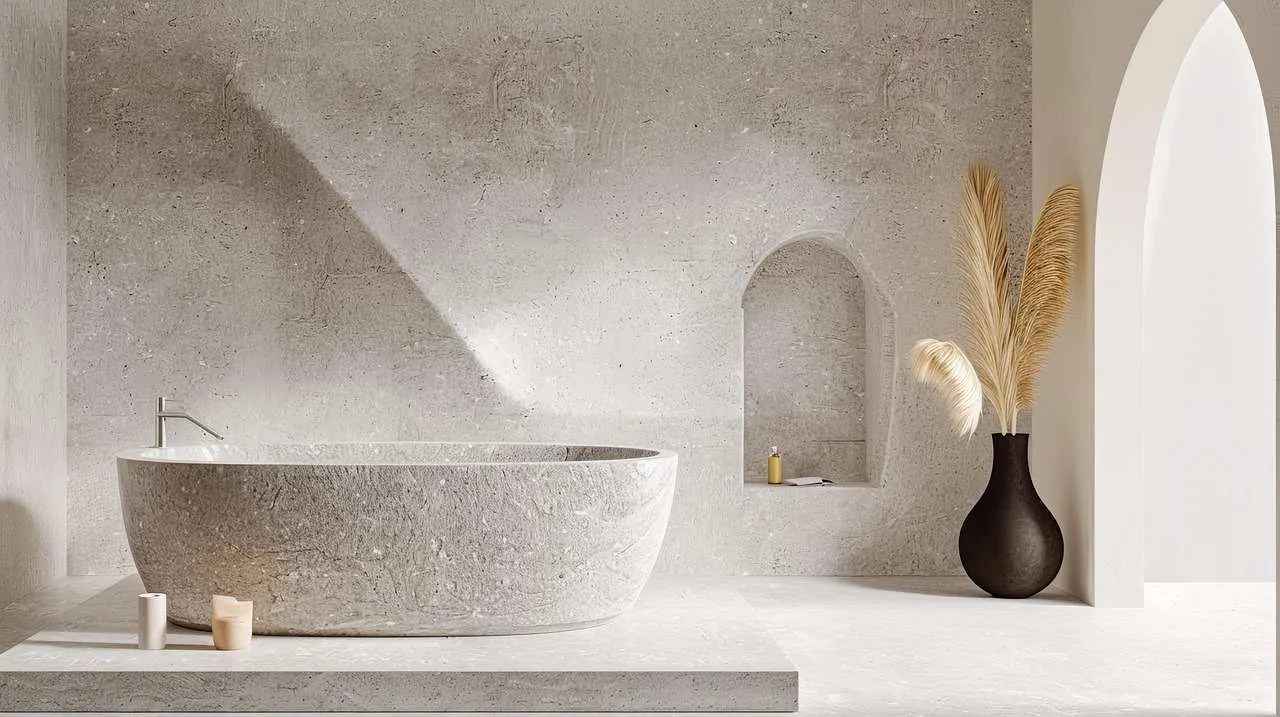
In small bathrooms, storage should be highly integrated. Use recessed niches in the shower, tall slim cabinets, or a vanity with built‑in organizers. Over‑the‑toilet shelving adds utility without intruding on floor space. Multi‑purpose furniture, such as a mirror with storage or a medicine cabinet, reduces clutter and improves cleanability.
Color, materials and visual width
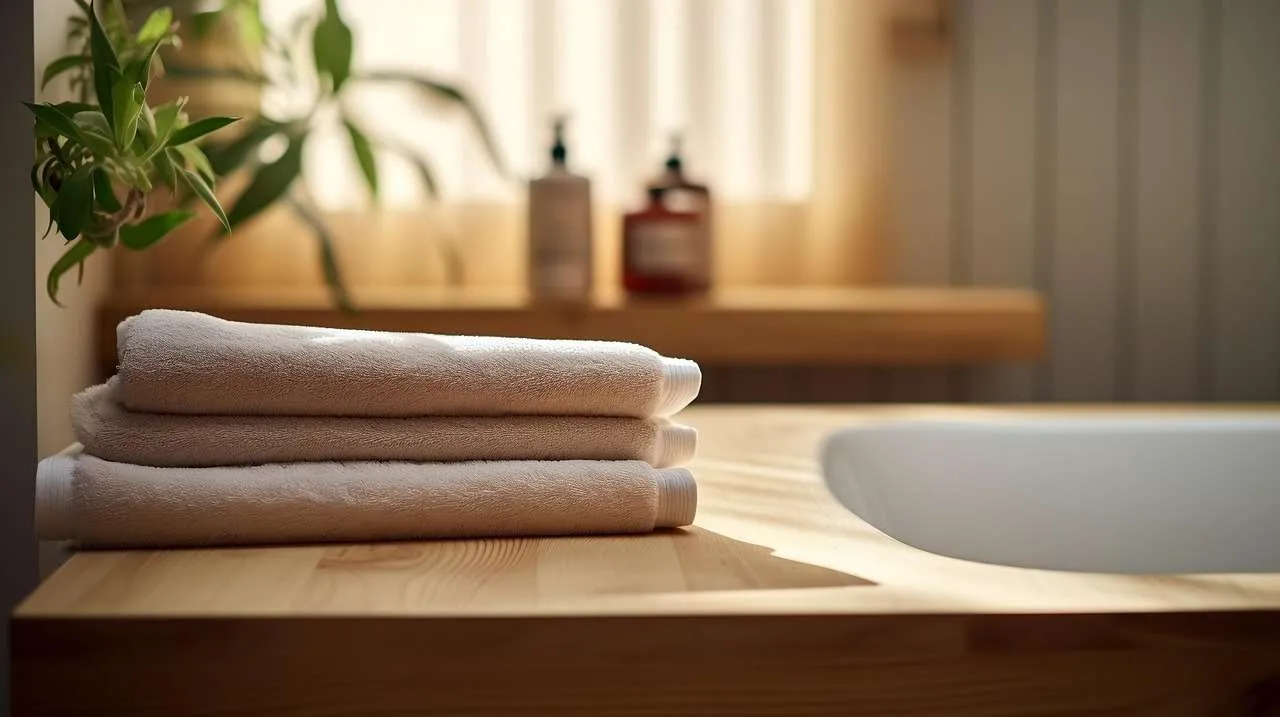
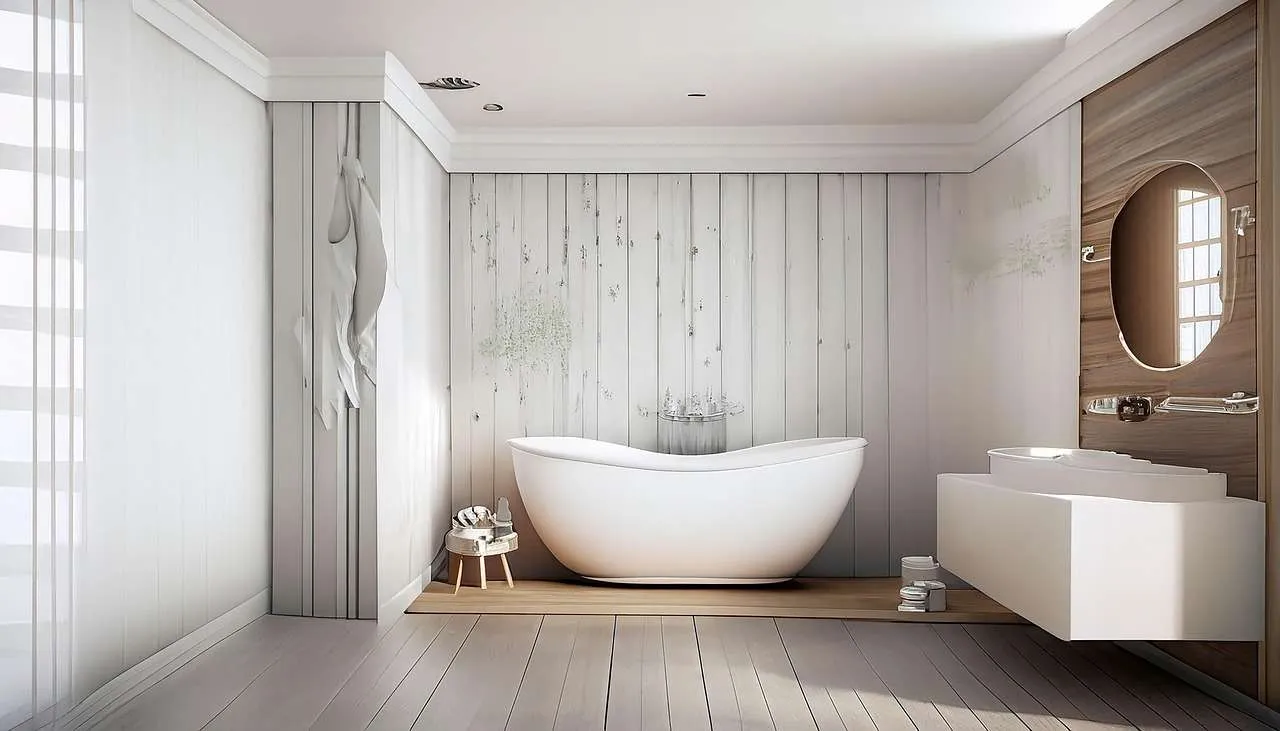
Light colors and reflective surfaces visually widen a room. Large‑format tiles with minimal grout lines, glossy finishes, and glass shower enclosures reflect light and create a sense of airiness. If you prefer warmth, use a soft accent color in towels or accessories rather than painting the entire room in a dark shade.
Lighting and mirrors
Layered lighting makes a small bathroom feel bigger. Combine ambient ceiling lights with task lighting around the mirror and a backlit mirror or LED strip under cabinets. A large mirror or mirrored panels that extend to the ceiling can bounce light and reduce shadows, enhancing perceived space.
Fixtures that save space
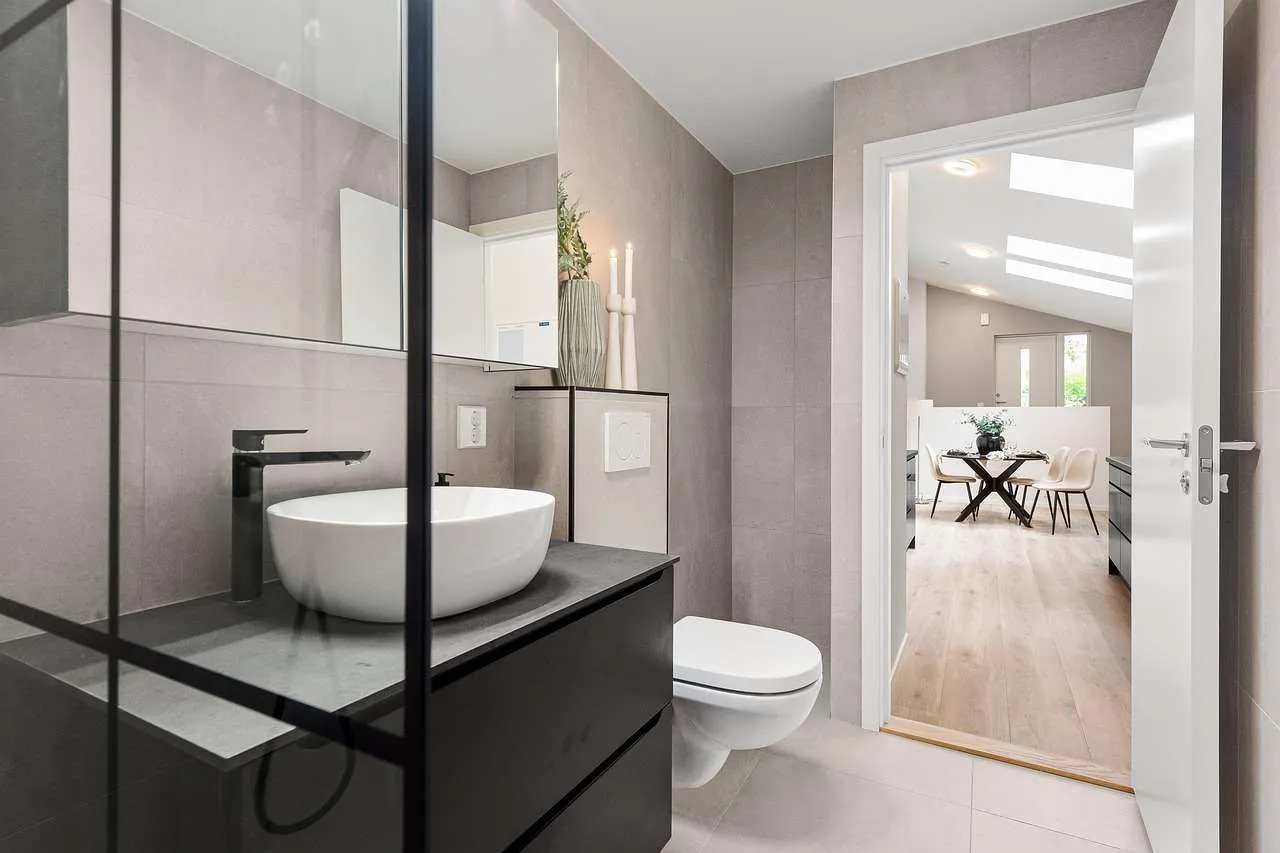
Choose a compact or wall‑mounted toilet, a shallow vanity, and a wall‑mounted basin to open floor area. Frameless glass shower doors visually expand the space more than framed enclosures. If plumbing allows, a wet room design can maximize perceived space while remaining practical.
Storage ideas table
| Idea | Pros | Cons | Best use |
|---|---|---|---|
| Recessed shower niche | Keeps products off the tub edge; hides clutter | Requires precise installation | Shower zone |
| Tall slim cabinet | Vertical storage; fits narrow walls | Can feel crowded if overfilled | Lined wall beside sink |
| Wall‑mounted vanity | Creates open floor area | Limited storage capacity | Small powder rooms |
| Pocket door | Eliminates swing space | Can be costly to install | Active entry spaces |
Budget-friendly upgrades and maintenance
Small bathroom improvements don’t have to break the bank. A fresh coat of light paint, updated hardware, and new mirrors can modernize the room quickly. Upgrading to LED lighting improves energy efficiency and longevity. Seal grout and choose mold‑resistant materials to preserve appearance and health in a moist environment.
How to start your project
Begin by accurately measuring the space and creating a simple sketch. Prioritize one high‑impact change—such as replacing a bulky vanity or installing a glass shower door—that can transform the feel of the room. Build a sourcing list of compact fixtures, recessed storage, and light‑reflecting materials. If in doubt, consult a local interior designer or a licensed contractor who specializes in small bathrooms to ensure your plan aligns with plumbing constraints and budget.
Conclusion, by applying these small bathroom ideas you can maximize every inch, enhance usability, and create a tranquil, stylish result that scales with your needs.