Choosing the right bathroom tile is more than aesthetics; it affects durability, safety, and maintenance. As a seasoned tile professional with years of project experience, I guide you through practical decisions that align with your budget and style.
Understanding tile materials
Two common options are ceramic and porcelain. Ceramic tile is generally more affordable and comes in a wide range of colors and patterns. Porcelain tile, though typically pricier, is denser and more water resistant, making it a strong choice for wet areas such as showers and steam habitats. When selecting tile for a bathroom, consider porosity, hardness, and how often the surface will be cleaned with cleaners. Porcelain is usually rated for higher traffic and moisture resistance, while ceramic can be a stylish, economical option for walls or low traffic areas.
Ceramic vs porcelain
In everyday use, both materials can perform well in bathrooms. If you want a bathroom floor that tolerates moisture and heavy use, go porcelain. If you are decorating a powder room or a wall feature, ceramic can deliver vibrant looks at a lower cost. Always verify the water absorption rate and opt for a tile with a high grade for bathrooms.
Patterns, sizes and layouts
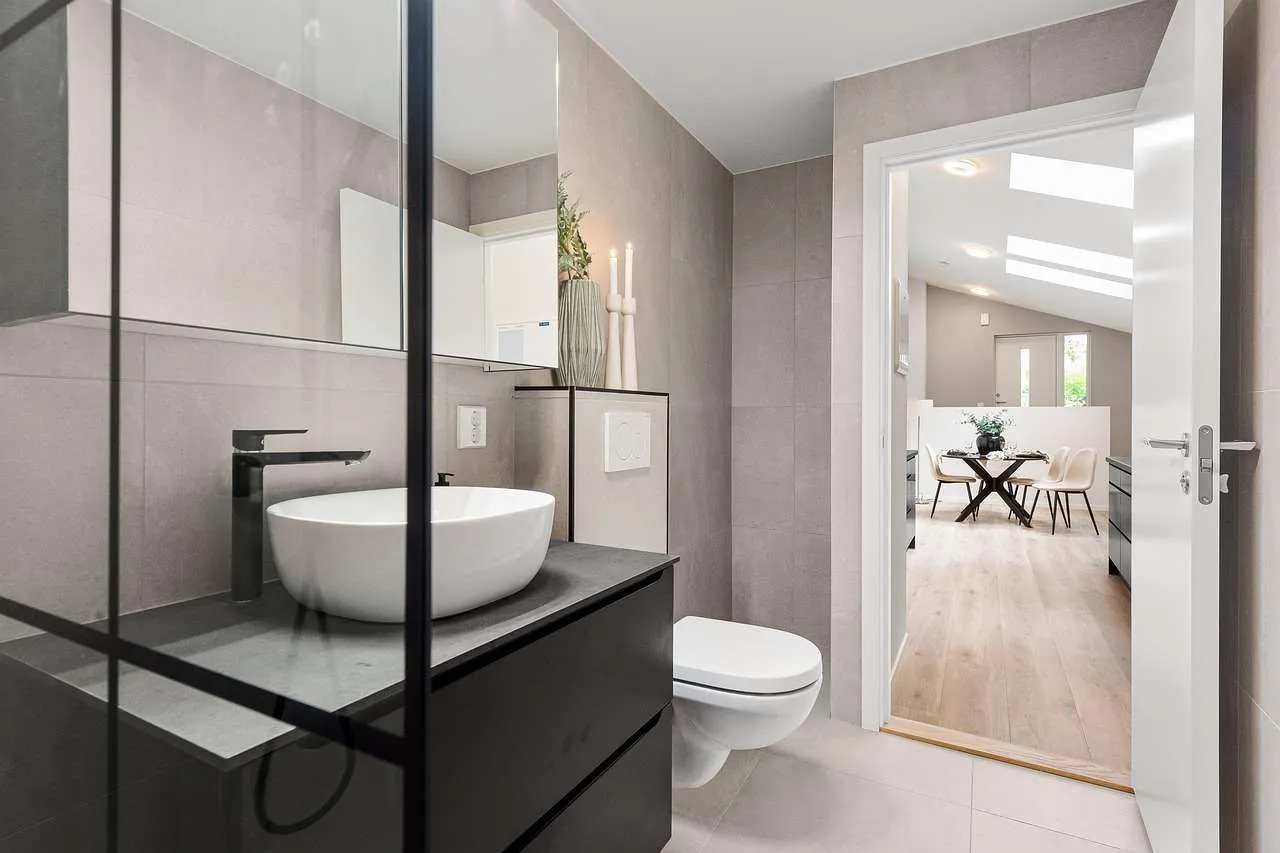
Tile size and layout dramatically influence perceived space and maintenance. Large format porcelain 24 by 24 or 12 by 24 tiles reduce grout lines and create a cleaner look, while classic 12 by 12 ceramic offers versatility. Subways, herringbone patterns, and our modern large format options can transform a small bathroom into a sense of openness. Also consider anti slip surface options and COF ratings for floor tiles to ensure safety in wet areas.
Grout and maintenance
Grout is the backbone of tile appearance and durability. For bathrooms, choose epoxy grout for high moisture resistance, or conventional cementitious grout with proper sealing. Sealing grout helps prevent staining, mold, and water penetration. Regular cleaning with a non abrasive cleaner, avoiding bleach unless necessary, and promptly addressing any cracks will extend tile life. Regrouting or resealing every few years keeps the look fresh and maintains water resistance.
Installation considerations and cost
Professional installation is often worth the investment in a bathroom due to water exposure and high foot traffic. A licensed tile installer will prepare the substrate, install a moisture barrier, apply appropriate underlayment, and ensure level, straight grout lines. Budget ranges vary with material choice, tile size, pattern complexity, and labor costs. Planning ahead for waste, matching edges, and coordinating plumbing are essential to avoid delays. If you DIY, study the basics of surface prep, cutting tools, and proper adhesive curing times.
Comparison of tile types
| Type | Pros | Cons | Best For |
| Ceramic | Affordable, wide patterns, easy to cut | Less durable, can chip | Walls and low traffic floors |
| Porcelain | Dense, water resistant, durable | More expensive, harder to cut | Floors and showers in busy bathrooms |
| Natural stone | Luxurious look, unique veining | Porous, needs sealing, maintenance | Accent walls, vanities, trims |
| Glass | Bright, reflective, easy to clean | Slippery when wet, pricey | Backsplashes, feature walls |
When selecting tile, align your choice with the overall design language of your home, your cleaning routine, and your tolerance for maintenance. A well chosen tile can enhance light, texture, and perceived space in a bathroom, while a durable installation protects against water damage for years to come.
When selecting tile, align your choice with the overall design language, maintenance tolerance, and budget to balance style and durability.
Conclusion, this guide summarizes material choices, layouts, maintenance, and professional installation tips to help you achieve a durable, stylish bathroom tile project.