Choosing the right bathroom tiles is both an aesthetic decision and a practical one. For homeowners and designers, the tile you select sets the tone of a bathroom while delivering durability, easy maintenance, and mold resistance. This guide, informed by professional interior design and tiling experience, covers materials, styles, performance considerations, and real-world costs so you can select bathroom tiles with confidence.
Understanding Bathroom Tiles
Common Tile Materials
Ceramic tiles are a versatile option that blends affordability with a wide range of finishes. They are easy to cut, relatively lightweight, and suitable for walls and backsplashes. Porcelain tiles, a denser form of ceramic, offer superior water resistance and durability, making them a popular choice for floors and wet areas.
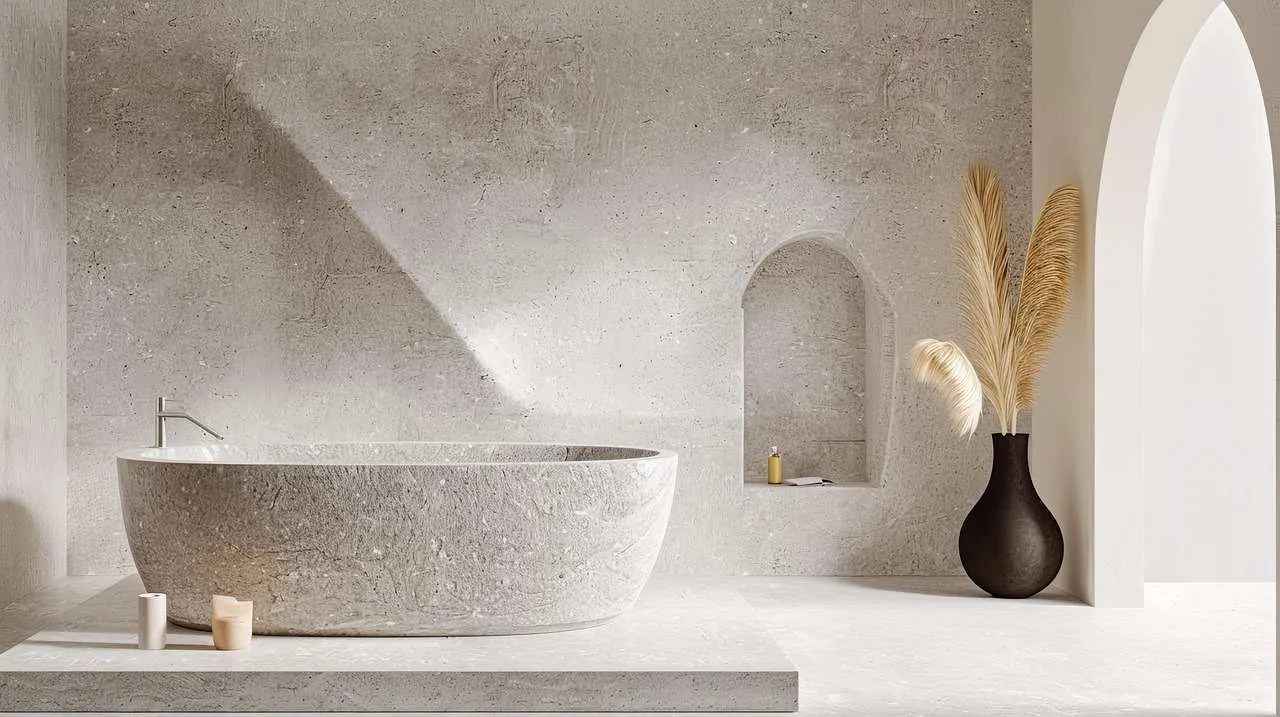
Natural stone tiles such as marble, travertine, and slate bring luxury and unique veining but require more maintenance, sealing, and care to avoid staining. Glass tiles provide reflective surfaces and accent possibilities but may be slippery and harder to replace. Each material has pros and cons for bathroom tiles, and the right choice depends on location, traffic, and your budget.
Design Styles and Patterns
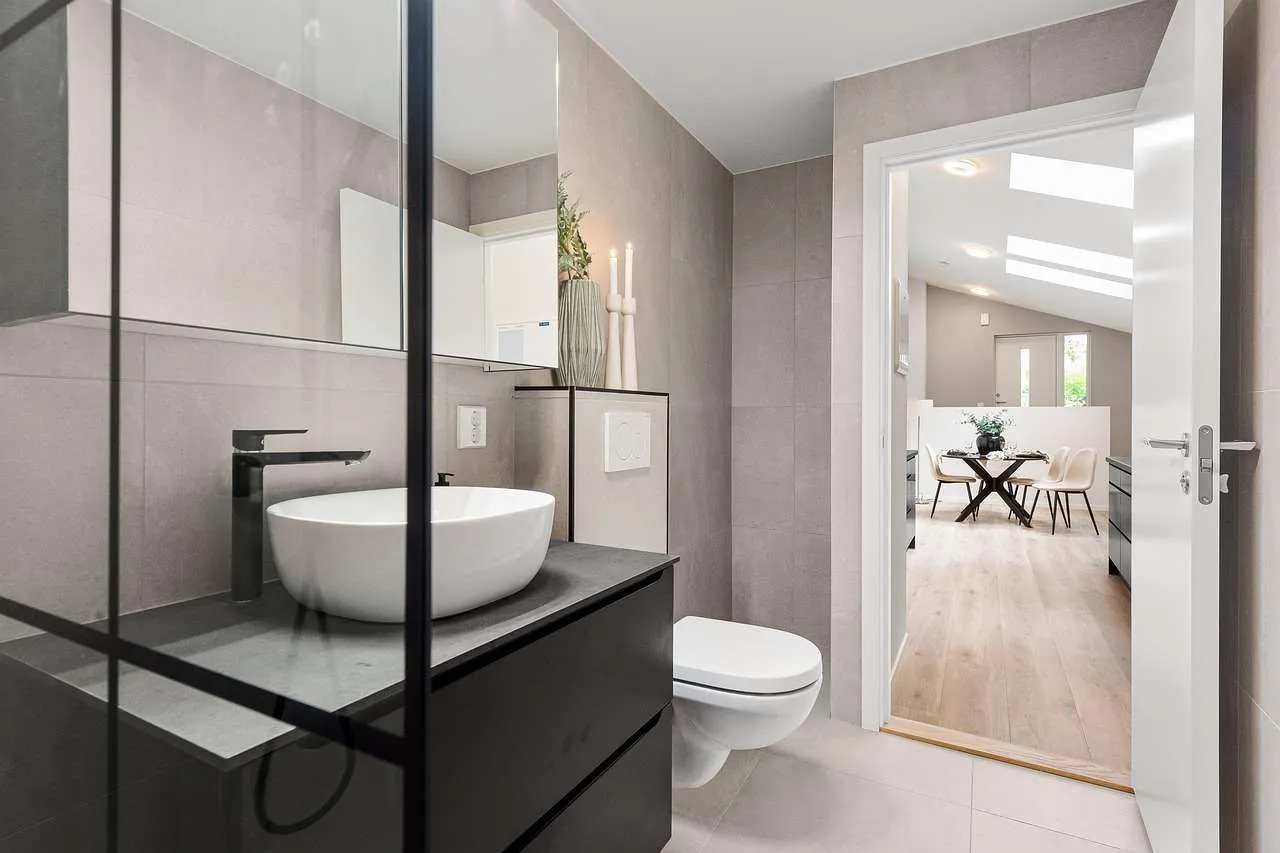
Design wise, bathroom tiles come in countless sizes, textures, and colors. Subway tiles arranged in a brick pattern offer a timeless, clean look, while large-format tiles create the illusion of a bigger space with fewer grout lines. Herringbone and chevron patterns add movement and texture, especially on walls or shower niches. Consider pairing a bold grout color with a neutral tile to achieve a contemporary vibe or using natural stone for a spa-like retreat.
Key Factors When Choosing Bathroom Tiles
Performance matters as much as appearance. Look for water absorption ratings and slip resistance, especially for shower floors. Porcelain tiles typically have very low water absorption, making them ideal for wet areas; ceramic tiles absorb a bit more, but modern glazes can still perform well in bathrooms designed for light to moderate moisture.
Size and layout influence maintenance and perception. In smaller bathrooms, larger tiles reduce grout lines and can visually expand the space, while smaller tiles offer trickier installation but better grip on curved surfaces. Choose a durable grout type—epoxy grout for high-traffic showers or cement-based grout for general walls—and plan color choices that complement fixtures and cabinetry.
Durability, Maintenance, and Installation Tips
Durability depends on tile type and installation quality. For floors, prioritize slip resistance and wear rating, especially in wet zones. Sealing natural stone and sealing grout (or choosing pre-sealed or epoxy grouts) helps resist staining and moisture. Regular cleaning with pH-neutral cleaners prevents dulling and damage to the tile surface. For DIY enthusiasts, ensure proper substrate preparation, level installation, and adequate expansion joints to accommodate movement in wet bathrooms.
Maintenance routines matter. Reseal natural stone as recommended, replace worn grout promptly, and wipe down surfaces after showers to prevent soap scum buildup. When in doubt, consult a licensed tiler for waterproofing checks and warranty coverage.
Cost, Installation, and DIY Considerations
Costs vary widely by material, size, and labor. Ceramic tiles are usually the most economical option, followed by porcelain. Natural stone may require higher upfront investment and ongoing maintenance, while glass tiles can add glow but may incur higher installation costs. If you have a complex layout or a large shower niche, hiring a licensed installer with tile experience helps avoid costly mistakes and ensures proper waterproofing and sealing. Budget for grout, waterproof membranes, and sealant in addition to the tile itself.
| Tile Type | Water Resistance | Porosity | Typical Cost per Sq Ft | Maintenance | Best For |
|---|---|---|---|---|---|
| Ceramic | Moderate | Low to Moderate | $1–$5 | Low to Moderate cleaning, standard grout | Walls, backsplashes, low-traffic floors |
| Porcelain | High | Low | $3–$15 | Low maintenance; sealant optional | Floors, showers, high-traffic areas |
| Natural Stone | Varies; requires sealing | High | $5–$25 | Regular sealing, more stain care | Bathrooms seeking luxury, niche walls |
| Glass | High | Low | $6–$20 | Easy to wipe, easier to chip; avoid for floors |
Comparison Highlights
In everyday bathrooms, porcelain and ceramic tiles provide durable, water-resistant options with broad design flexibility. Stone tiles offer premium aesthetics but higher maintenance. Glass tiles act as vibrant accents that reflect light, ideal for baths and backsplashes but less practical on floors. The best choice balances moisture exposure, budget, and style goals, a conclusion drawn from professional experience in design and installation.
Conclusion, selecting bathroom tiles requires aligning style with performance, recognizing maintenance demands, and budgeting for installation and long-term care. By evaluating materials, layouts, and care routines, you can achieve a bathroom that remains beautiful and functional for years.